Key Insights:
Here’s a quick snapshot of why phone systems for small business can solve your communication problems:
Believe it or not, clear communication always matters a lot when you are into any business or job profile. Communication is the backbone of every business. When it comes to small businesses, it often determines whether a customer stays, moves or converts to a competitor. However, most of the businesses still rely on outdated setups that simply can’t keep up with today’s modern expectations. Here, phone systems for small businesses become an important part of communication. They are not only for just receiving or making a call, but they play a direct role in brand perception, customer experience, long-term growth and internal efficiency as well.
If you are struggling to manage the enquiries during busy schedule, missing calls or relying on personal mobile then this guide is for you only. This guide will help you understand how important phone systems for small business is, what are its types and how you can transform your business with the latest technology for long-term growth.
- Phone systems for small business are no longer just calling tools; however, they are full business communication platforms
- Cloud and digital phone systems reduce costs while improving reliability and flexibility.
- Small businesses can now access enterprise-level call features without complex and expensive hardware.
- Wireless and mobile-friendly setups support remote and hybrid work environments.
- The right phone system for small business directly improves customer experience and lead conversion.
- Cloud phone systems designed for Australia offer better call quality and local support.
- Choosing the right provider matters and so TECHOM Systems offers tailored phone systems for small business solutions.
Phone Systems For Small Business: What They Actually Do?
A modern phone system for small business acts as a complete communication hub. With this, business can now connect complete team through a professional and structured setup instead of relying on single phone line. In practical terms, this means:- Customers receive professional greetings instead of unanswered calls
- Calls are routed automatically to the right department and to the right person
- Staff can now answer calls from laptops, desk phones or mobiles
- Voicemails are captured and delivered reliably
- Business numbers remain consistent even if your team grows
What Are The Types of Phone Systems For Different Businesses?
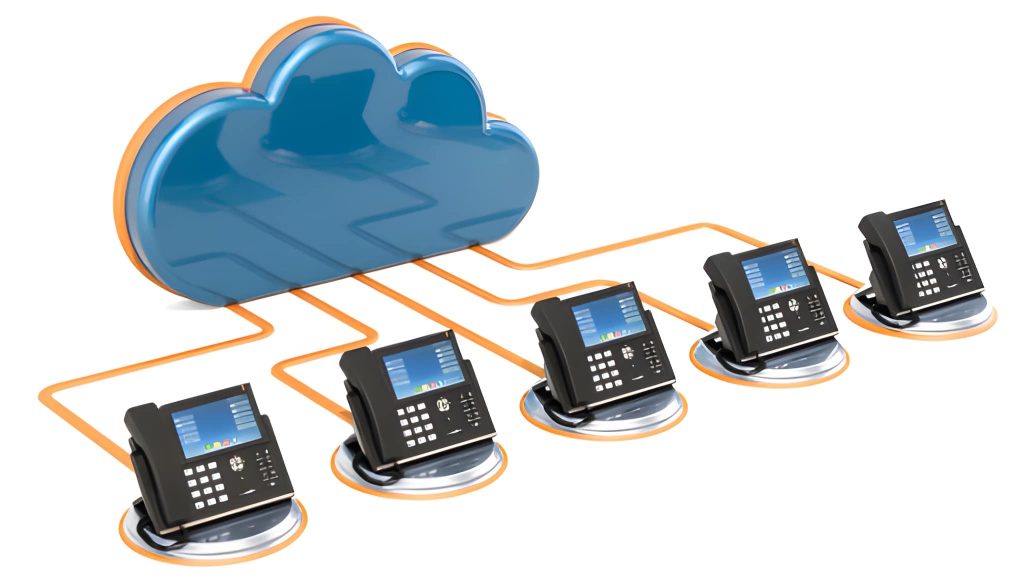 Choosing the right phone setup starts with understanding the options available. Not all phone systems for small business work the same way. However, each type suits different budgets, operational needs and growth plans. Here are the most common types used by small businesses phone system today.
#1. Traditional Landline Phone Systems
Everyone knows traditional landline systems that use copper phone lines provided by telecom carriers. However, they are still in use and are becoming less practical for modern businesses. Traditional landline phone system is best suited for businesses with very basic calling needs and has no requirements for flexibility. Key Characteristics:- Limited features
- Fixed desk phones only
- No support for remote or mobile teams
- Higher line rental and call costs
- Difficult and expensive to scale
#2. On-Premise PBX Phone Systems
On-premise PBX systems use physical hardware which are installed at your office in order to manage internal and external calls. Cloud PBX phone systems are best suited for businesses that want complete control and already have IT resources. Key Characteristics:- Higher upfront installation costs
- Requires on-site PBX hardware
- Limited flexibility for remote work
- Ongoing maintenance responsibility
- Scaling requires additional hardware
#3. Digital Phone Systems (VoIP)
Digital phone systems, also known as VoIP phone for businesses, use internet connectivity to make and receive calls. They remove the need for traditional phone lines and offer better features. Digital phone system is best suited for small businesses that requires modern features without any complex infrastructure. Key Characteristics:- Better call quality and features
- Uses internet instead of copper lines
- Lower operating costs
- Easy to expand as the business grows
- Supports computer desktops, laptops, desk phones and mobiles
#4. Cloud Phone Systems
Cloud phone systems are the most popular choice for small businesses in today’s world. All call management happens in the cloud that removes the need for on-site hardware. The cloud-based phone systems are best suited for remote teams, service-based organizations and for growing business. Key Characteristics:- Fast setup and easy management
- No physical PBX required
- Automatic updates and maintenance
- Supports remote and hybrid work
- Scales instantly with your business
#5. Wireless Phone Systems
Wireless phone systems usually focus on flexibility and mobility that allows team members to take calls without being tied to desks. This type of phone systems for small business is best suited for healthcare, trades, field-based and retail teams. Key Characteristics:- Mobile and app-based calling
- Business calls answered anywhere
- No personal number exposure
- Call transfers between devices
- Ideal for on-the-go operations
#6. Hosted Phone Systems
Hosted systems are a managed version of cloud phone solutions where the provider handles all setup, updates, and support. Hosted business phone systems are best suited for those who want fully supported solutions. Key Characteristics:- Provider-managed infrastructure
- Minimal internal IT involvement
- Predictable monthly pricing
- Reliable uptime and support
- Professional-grade call features
Which Type Of Phone System Is Best for Small Businesses?
For most modern businesses, cloud phone systems and digital phone systems for business offer the best balance of cost, flexibility and features. They support remote work, business growth and professional call handling without the limitations of traditional setups. If your business plans to scale, support mobile team members or even improve customer experience, cloud-based solutions are usually the most future-proof choice.Did You Know?
Here are some ways TECHOM Systems helps small businesses improve communication and get the most out of their phone systems:- TECHOM Systems sets up small business phone systems quickly and efficiently
- Supports VoIP phones for business with 24/7 technical assistance
- Offers training and guidance for teams to use unified communications effectively
- Helps integrate digital phone systems for business with existing office tools

 Small businesses usually face a different yet unique set of challenges in communication level. Unlike large business firms, there are fewer staff, little room and lighter budgets for inefficiency. When any calls are poorly handles or even missed, the impact is immediate. Most of the businesses experience issues like:
 Choosing the right provider for your small business,